Shark Cage Diving in Hawaii - Oahu’s Top Ocean Adventure

Cage diving is one of the most direct and reliable ways to see sharks in the wild. Tours operate offshore on Oahu's North Shore and run year-round. Most experiences require no scuba skills and no previous ocean training.

Deep ocean close to land
Year-round shark activity
No certification required
Suitable for non-swimmers

What Is Shark Cage Diving?

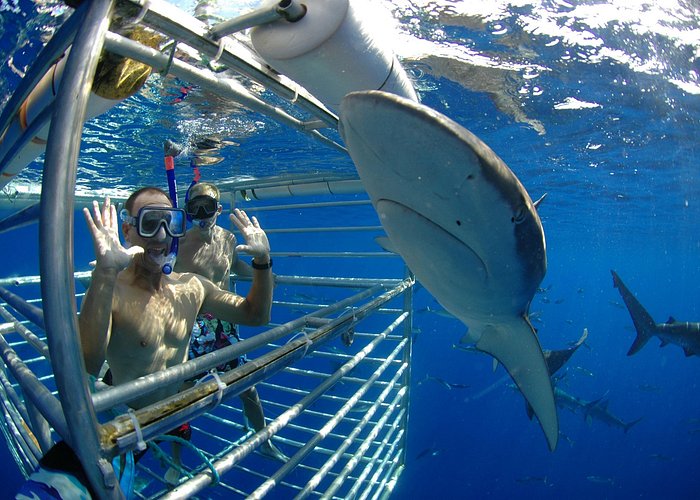
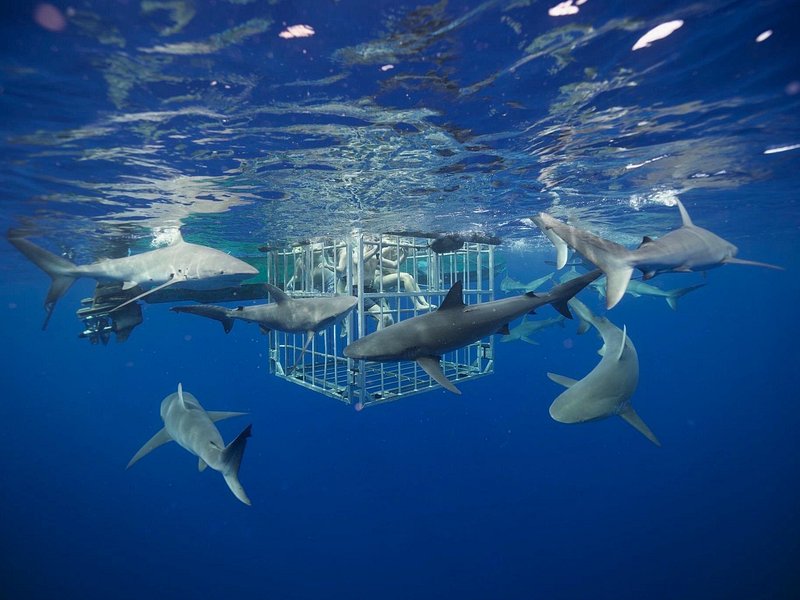
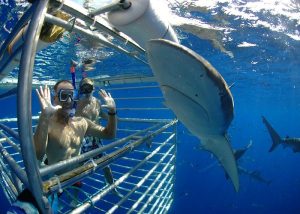
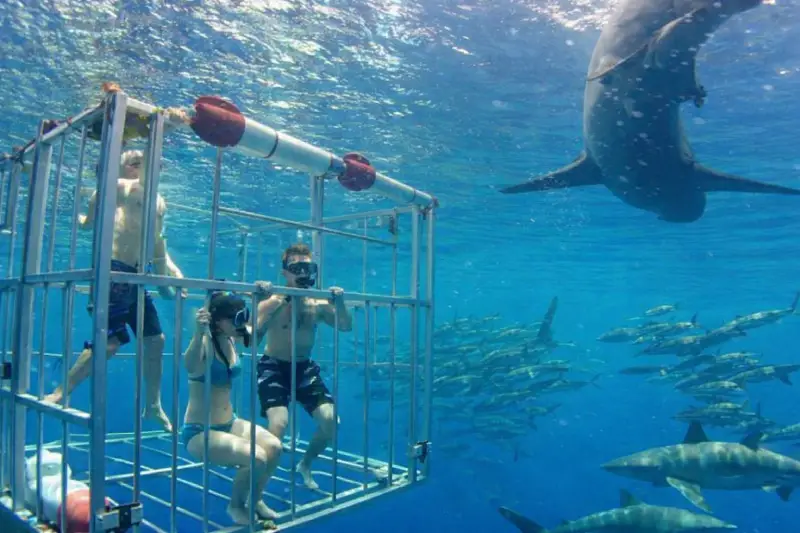
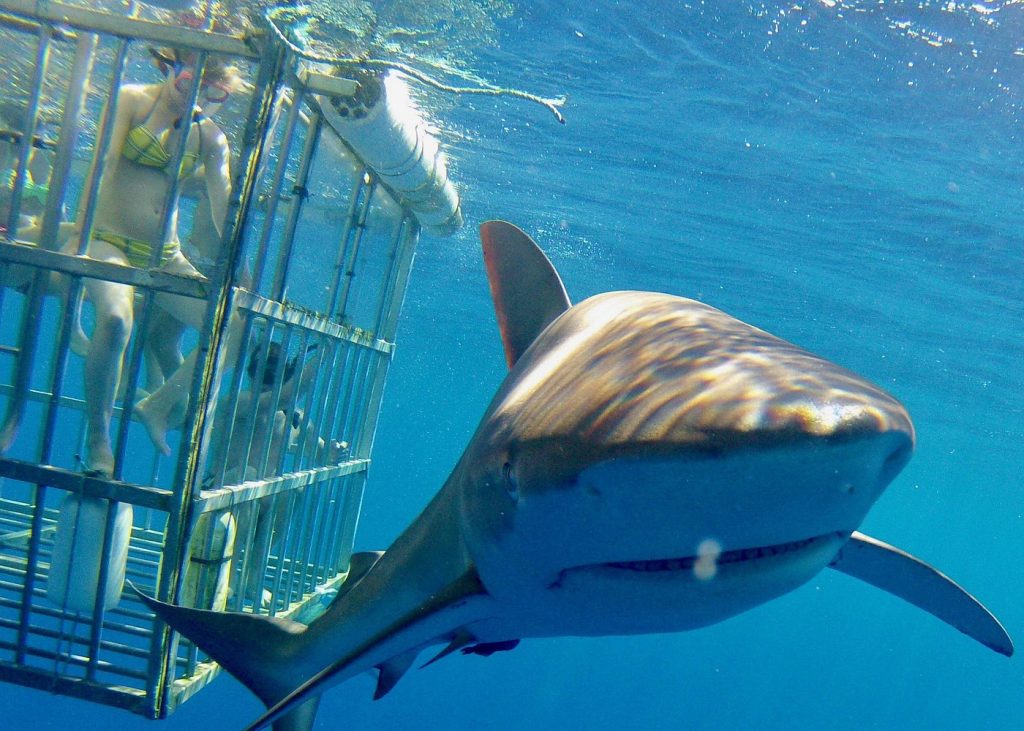
This experience places you inside a strong metal cage that floats at the ocean’s surface. The cage is secured to a boat, and sharks swim freely around it.

The setup is simple. You enter the water using a ladder, hold onto the cage, and breathe through a snorkel. The cage stays at the surface, so there is no deep diving involved.

Because of this design, shark cage diving feels more controlled than many people expect. You remain fully separated from the sharks at all times. At the same time, you still see them up close in open water.

Shark Cage Diving in Hawaii - Oahu’s Top Ocean Adventure

Why Oahu Is Unique for Shark Cage Diving

Oahu offers conditions that few places can match. These advantages explain why the island has become one of the most popular shark cage diving destinations in the world.

Year-Round Shark Activity

Sharks live offshore from Oahu all year. Species such as Galapagos sharks and sandbar sharks do not migrate seasonally. As a result, tours operate in every month.

Open-Ocean Location

Most cage dives take place several miles offshore from the North Shore. The area sits away from reefs, swimmers, and surf zones.

No Scuba Required

Unlike cage dives in other countries, Oahu tours do not require scuba certification. Participants stay at the surface and use basic snorkeling gear.

Top Shark Cage Diving Tours in Hawaii

Educational & Eco-Friendly Adventure By Hawaii Shark Encounters

Educational & Eco-Friendly Adventure

From $100 per person
4.8 out of 5.0 stars

1,350+ reviews

By Hawaii Shark Encounters

Board a comfortable boat from Haleiwa Harbor and meet Galapagos and Sandbar sharks in the wild. This 2-hour tour emphasizes safety, conservation, and education, making it ideal for beginners and families.
Hawaii’s Original Shark Cage Tour By North Shore Shark Adventure

Hawaii’s Original Shark Cage Tour

From $99.48 per person
4.8 out of 5.0 stars

2,800+ reviews

By North Shore Shark Adventure

Operating since 2001, North Shore Shark Adventures is Oahu’s original shark cage diving company. Their 1.5-hour tour combines excitement with professionalism, taking you 3 miles offshore to see Galapagos, Sandbar, and Hammerhead sharks in their natural habitat.

Shark Cage Diving On The Famous North Shore By Haleiwa Shark Tours

Shark Cage Diving On The Famous North Shore

From $100.00 per person
4.9 out of 5.0 stars

180+ reviews

By Haleiwa Shark Tours

For an authentic, culturally grounded experience, Haleiwa Shark Tours is led by Native Hawaiian watermen who blend ocean expertise with traditional respect for “mano” – the shark as a guardian spirit.

North Shore vs Other Shark Diving Locations

Understanding how North Shore compares to other destinations helps set realistic expectations.

Oahu’s North Shore

On the North Shore, tours focus on surface cages. Boat rides are usually short, often around 10 to 20 minutes offshore. Most operators follow similar safety procedures.

Other Global Locations

In contrast, some destinations require scuba diving and deeper descents. These trips often depend on seasonal shark migrations. Travel times offshore may be longer, and conditions can be more demanding.

Who This Experience Is For?

Cage diving suites a wide range of visitors. However, it is not for everyone. This experience works well for people who want a close wildlife encounter without technical diving. Many participants include first-time shark viewers, confident teens, and adults who enjoy ocean activities.

On the other hand, some people may find it challenging. Those with strong motion sickness often struggle on open-ocean boats. In addition, anyone uncomfortable with deep water or sea spray should think carefully before booking.

Most operators set age, weight, and health limits. These rules exist to keep both guests and crew safe.

What a Typical Cage Dive Looks Like

Most trips begin with check-in at Haleʻiwa Harbor. After boarding, the boat heads offshore. The ride usually takes less than 20 minutes.

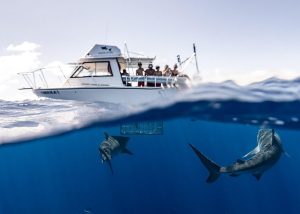
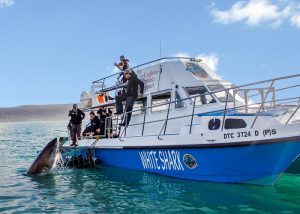
Once on site, the crew sets up the cage and explains safety rules. Small groups rotate into the cage for set time blocks. While waiting, others watch sharks from the deck.

Total tour time often ranges from 90 minutes to two hours. Actual time in the cage varies by operator and group size.

What a Typical Shark Cage Dive Looks Like

Safety Standards and Regulations

Safety plays a central role in shark cage diving operations in Hawaii. Reputable tours follow strict systems that remain consistent across trips.

Cages use thick steel bars and secure entry points. Crew members control group size and rotation times. Before entering the water, guests receive a clear safety briefing.

Tours also operate far offshore. This reduces interaction with beaches and swimmers. Crew members monitor shark behavior throughout the experience and adjust plans if conditions change.

Incidents are extremely rare. When issues occur, they usually relate to weather or seasickness rather than shark behavior.

Chumming and Shark Behavior

To attract sharks, some operators use a method called chumming – releasing small amounts of bait into the water to draw them near the cage. While this practice has sparked debate among conservationists, responsible operators follow strict environmental guidelines to ensure sharks remain wild and unharmed.

Sharks, Conservation, and Research

Seeing sharks up close reveals their intelligence, strength, and importance to the marine ecosystem. Many tours actively support shark conservation, using cage diving to fund research and raise awareness about protecting these misunderstood predators. Beyond tourism, shark-proof cages are also used by scientists and professional divers, providing a safe platform for studying sharks in their natural habitat.